

Free Local Delivery Over $199
Free Local Delivery Over $199
Free Local Delivery Over $199
As winter rolls around, Sydney homeowners look for efficient ways to keep their homes warm and cosy without watching their power bills skyrocket. Installing an indoor gas heater offers fast, reliable warmth and gives you great control over your home’s temperature. This guide walks you through local regulations, safety tips, and the best product choices for your home.
Picking the right heating system means understanding your property type and local council rules. Sydney homes range from classic terrace houses in Paddington with minimal structural spacing to sprawling, open-plan modern spaces in Western Sydney, meaning heating needs vary wildly from suburb to suburb. Choosing the right size and model will keep your rooms perfectly warm while keeping running costs down.
Why Getting Your Gas Heater Indoor Setup Right Matters for Sydney Homes
When winter temperatures drop across the city, having a reliable heat source is essential for everyday comfort. Installing an indoor gas heater correctly ensures your family enjoys steady warmth all through the cooler months. Good placement and professional sizing help spread heat evenly, preventing frustrating cold spots in larger, open-plan living areas.
Working with a professional helps you choose a unit that fits your room’s layout and matches your home’s natural ventilation. A well-planned setup runs quietly, uses energy efficiently, and fits seamlessly into your daily life. It also prevents common problems like poor airflow, excessive condensation, or uneven heating in open-plan spaces.
By getting the installation right from the start, you protect your property investment and improve your daily comfort. Home Fires has been providing heating solutions to New South Wales residents for over 40 years. You can visit our showrooms to see different models running in real-time before making your final choice.
Understanding Local Safety and Compliance for Gas Heaters in Sydney
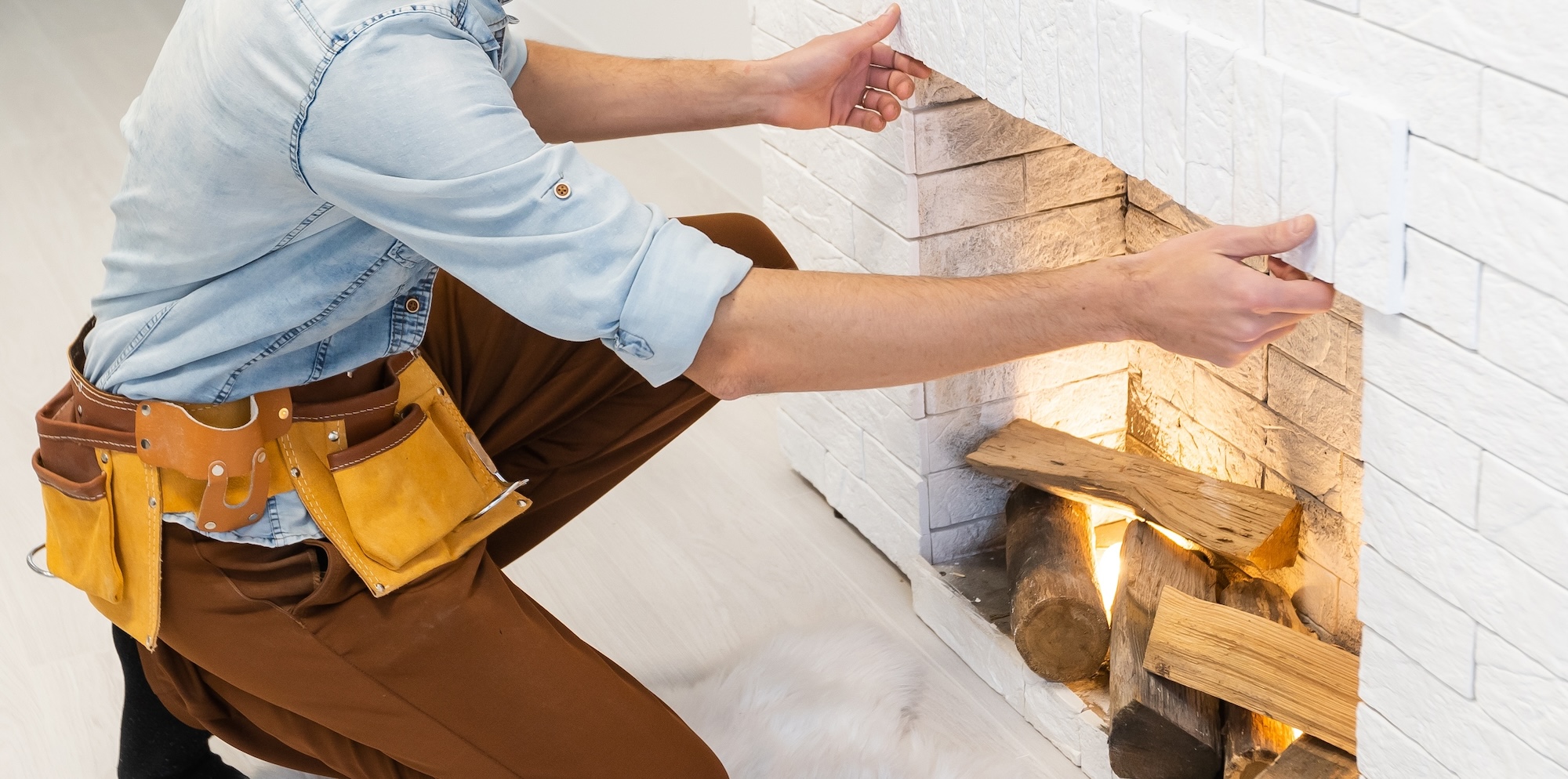
Safety is the absolute number one priority whenever you bring a gas appliance into your home. Every indoor gas heater installation in New South Wales must follow strict rules to protect residents from leaks and emissions. These standards ensure your system runs safely under local climate conditions.
Important Safety Note from NSW Fair Trading: Gas (both natural and LPG) is invisible, tasteless, and inherently odourless. A distinct chemical smelling like rotten eggs is added to help you detect leaks. Because natural gas is lighter than air, it rises, while LPG is heavier and sinks to floor levels or basements.
If you smell gas: Stay calm, turn off your appliances, open your windows, isolate your gas supply, and evacuate the area immediately. Never use matches or lighters to look for a leak.
Compliance with Australian Standards AS/NZS 5601
Every new gas heating system must comply with the strict rules set by the official Standards Australia framework (specifically AS/NZS 5601.1). This standard regulates gas installations, pipe sizes, gas pressure, and minimum ventilation openings to guarantee total operating safety. Following these rules prevents dangerous ventilation issues, such as carbon monoxide buildup, and keeps your manufacturer’s warranty completely valid.
Mandatory Certifications for Sydney Properties
In New South Wales, licensed tradespeople must handle all gasfitting work to protect consumers under the Gas and Electricity (Consumer Safety) Act 2017. Gasfitters are required to log all compliance paperwork digitally through the BCNSW eCert portal within 5 business days of completing the work, ensuring it is automatically lodged with the Building Commission NSW.
For properties using bottled LPG, your installer will also attach a physical, stamped metal compliance plate directly to the installation. For indoor space heaters or gas fireplaces, ensure this badge features the number 8, or the official NSW designation for room and space heaters, verifying it has been safely cleared for use.
Choosing Between an Indoor Gas Fireplace and Fixed Heating Units
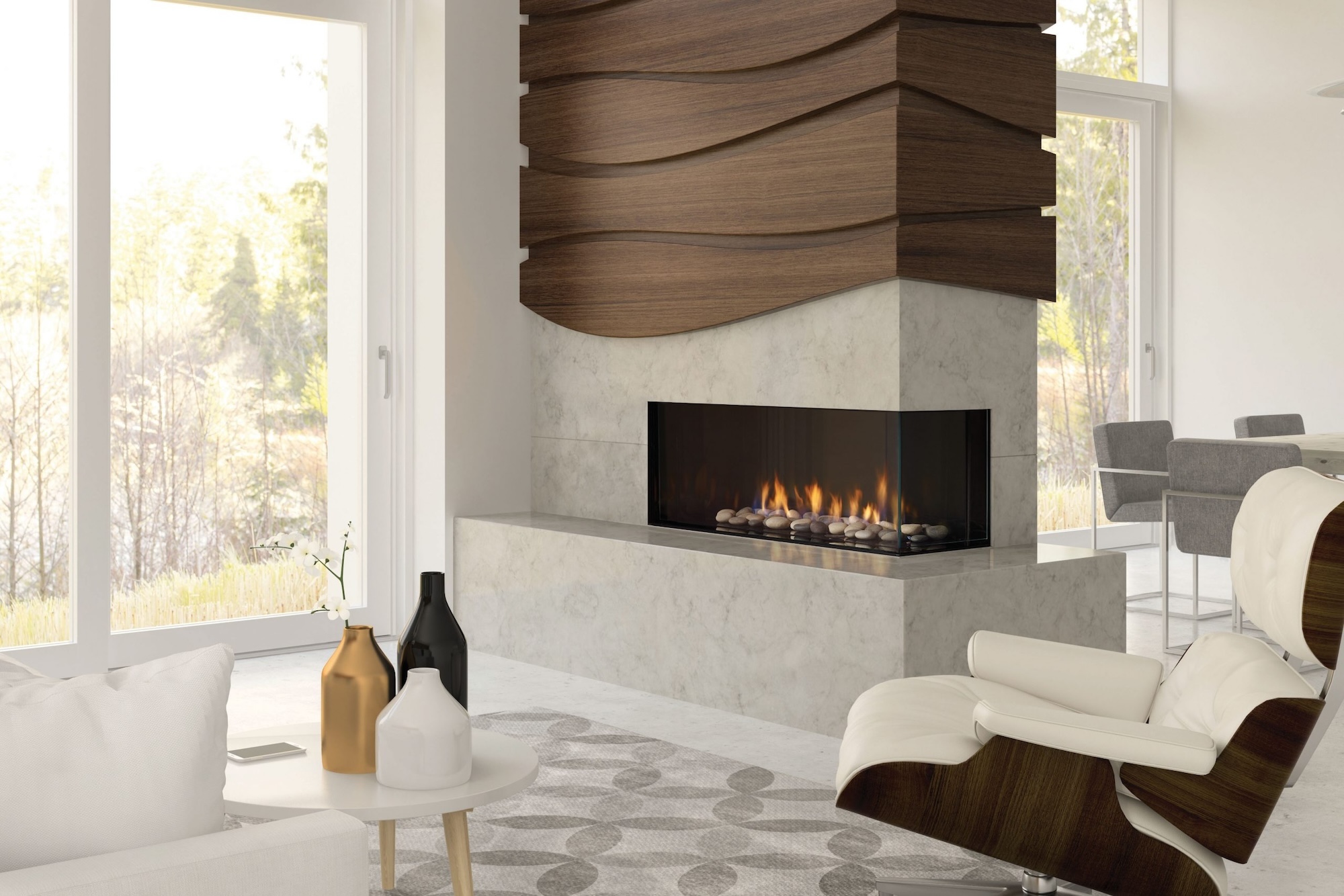
Homeowners have a few different styles to choose from when upgrading their heating, depending on their space, aesthetic goals, and budget. An indoor gas fireplace acts as a beautiful visual centrepiece while delivering strong heat. Alternatively, portable gas options or fixed wall units offer different ways to spread warmth across various floor plans.
| Feature | Indoor Gas Fireplace | Portable Gas Heater |
|---|---|---|
| Installation | Permanent structural fixture; built-in or framed into a wall cavity. | Non-permanent; requires a dedicated bayonet connection point. |
| Visual Style | High aesthetic value; features realistic flames, log/coal beds, and seamless finishes. | Compact, highly functional, and utilitarian design. |
| Heat Distribution | Excellent for large zones; utilizes radiant and fan-forced convection heat. | Designed to warm specific zones; easy to move between rooms with connection points. |
| Value Add | Acts as a structural renovation asset that can increase property resale value. | A flexible, transportable heating asset you can take with you if you move. |
Single-Sided Enclosures for Multi-Room Warmth Efficiency
Single-sided gas fireplaces are designed to be viewed from the front only, making them perfect for standard wall installations or flush boundary walls. You can view indoor gas fireplaces to see how these models push heat directly forward to warm a specific room quickly and efficiently. Because they only need to be vented and monitored from one side, they feature a shorter, more cost-effective installation process and remain a highly secure, safe choice for families with young children.
Seamless Styling with a Built In Gas Fireplace
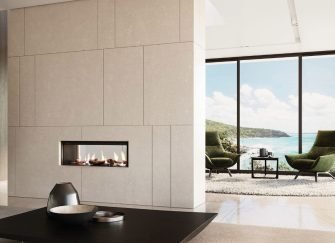
A built in gas fireplace fits straight into your existing wall cavity or a newly built mock-breast for a clean, minimalist look. This structural style lets you choose from different internal fuel effects, such as realistic ceramic logs, pebbles, or traditional glowing coals. It gives you the classic architectural charm of a fireplace without taking up valuable floor space in smaller rooms.
Traditional Wood Fireplaces vs. Modern Gas Heaters Sydney
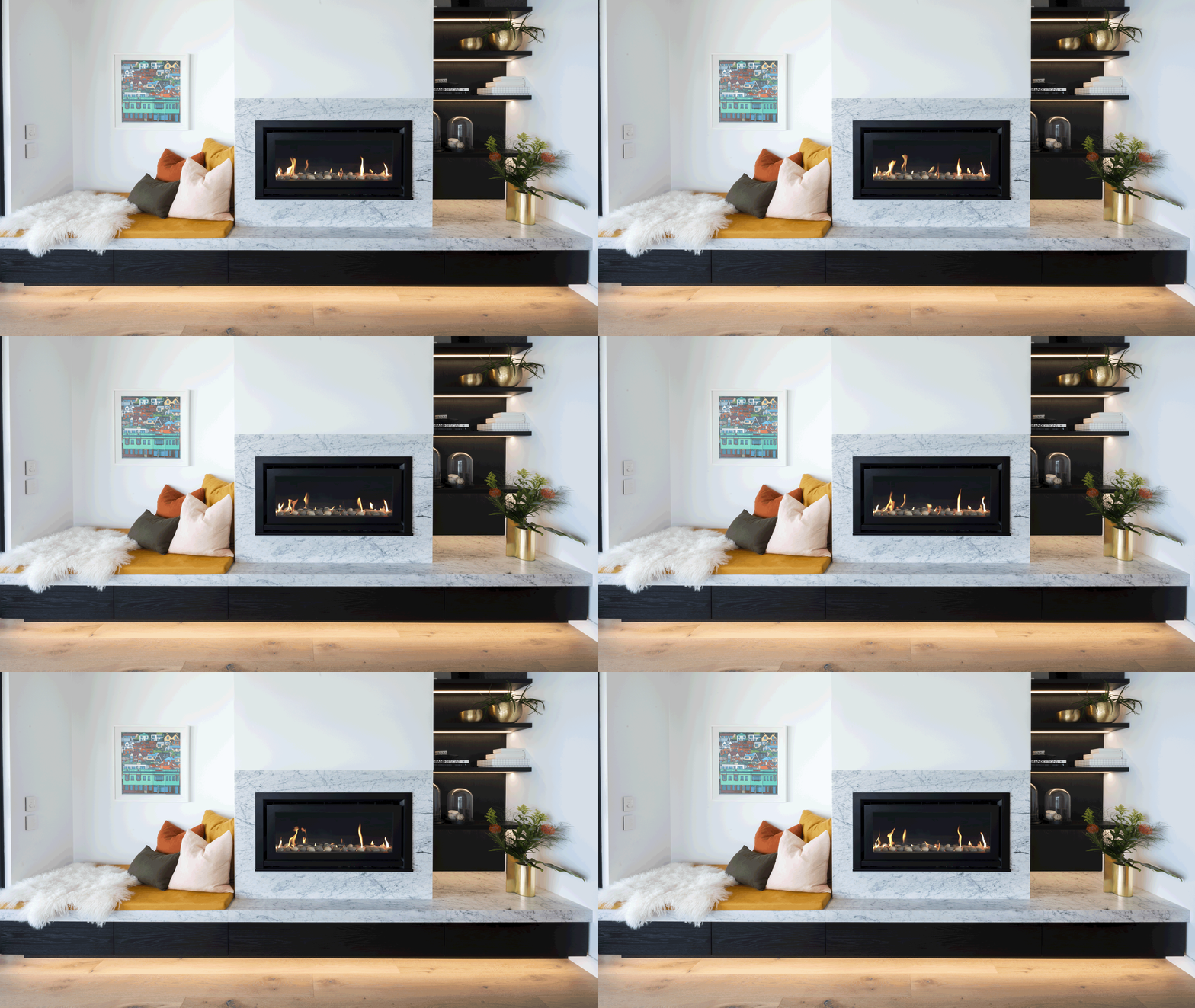
Choosing between wood and gas heating usually comes down to convenience, maintenance, and ongoing running costs. Traditional wood fireplaces require regular chimney cleaning, dedicated dry outdoor space to store firewood, and constant attention to keep the fire burning safely. They also create ash, soot, and smoke particulates that require physical cleanup every time the fire goes out.
| Feature / Consideration | Traditional Wood Fireplaces | Modern Gas Heaters (Sydney) |
|---|---|---|
| Operation & Convenience | Manual lighting; requires ongoing wood stoking, kindling prep, and monitoring. | Instant warmth via push-button, remote control, or smart automated thermostat. |
| Maintenance & Cleaning | High; requires regular ash removal, soot cleanup, and annual chimney sweeping. | Low; periodic professional servicing once every two years to check ventilation. |
| Fuel Storage & Supply | Requires dedicated, dry outdoor space for storing bulky firewood logs. | Continuous, uninterrupted supply via the Sydney natural gas grid or LPG bottles. |
| Temperature Control | Fluctuates; difficult to regulate or adjust the heat output quickly. | Precise; instant adjustments allow for highly efficient, tailored energy usage. |
| Environmental Impact | Higher particulate emissions; smoke output varies by wood quality. | Clean-burning; ultra-low emissions with modern direct-vent pipe technology. |
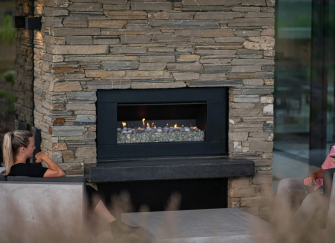
On the other hand, modern gas heaters in Sydney provide instant warmth at the push of a button or a remote control. You can shop gas heaters in Sydney to find freestanding options that mimic a classic, rustic wood-stove look without the heavy maintenance. These modern units use direct-vent room-sealed technology to safely send emissions outside through simple pipes, meaning you don’t even need an existing chimney.
Gas systems offer precise temperature control, letting you adjust room heat instantly to save on energy bills. They produce low emissions and run on readily available natural gas or LPG bottles. This makes them a clean, reliable, and user-friendly choice for busy households.
Ready to Transform Your Living Space? Contact Our Specialists
Finding the right balance between style, safety, and heating power is easy when you talk to the experts. Our experienced team can guide you through the technical selection process to find a unit that fits your home’s architectural layout perfectly. We handle the strict compliance and installation details so you can focus entirely on enjoying a warm, cosy living room.
Schedule a consultation with the heating specialists at Home Fires to choose and install your ideal home heating setup safely. Visit our showrooms at Minto or Casula to view our working displays and chat with our staff. Alternatively, you can contact our specialists online today to discuss your upcoming installation project.
Frequently Asked Questions (FAQ)
Can I install a gas heater indoor space without a licensed gasfitter?
No, you cannot install any gas heating unit yourself under New South Wales law. All gas installations must be completed by a licensed professional to meet NSW Fair Trading safety standards. Attempting this work yourself is illegal, carries fines up to $55,000 for individuals, poses serious safety risks like carbon monoxide poisoning, and completely voids your home insurance coverage.
What is the difference between a freestanding and a built-in gas fireplace?
A freestanding unit stands autonomously on any level surface, requires no wall construction, and can sit close to an existing wall with simple rear venting. A built-in gas fireplace is structurally built straight into a wall cavity or chimney breast for a flush, permanent look. Both styles offer excellent heating power, but built-in models require more structural wall preparation and framing during installation.
How often should I get my gas heaters in Sydney serviced?
Local safety authorities and manufacturers recommend servicing your gas heating systems at least once every two years. A regular service by a licensed professional checks for dangerous carbon monoxide leaks, cleans the burners, ensures clear ventilation, and tests gas pressure. Regular maintenance keeps your system running efficiently and extends its lifespan.
Are indoor gas fireplace systems expensive to run compared to electric heaters?
Gas fireplaces are highly efficient and cost-effective compared to standard electric space heaters when warming medium-to-large spaces. While electricity is expensive per kilowatt-hour, gas delivers high heat output quickly, helping lower your overall winter power bills. The exact running cost will depend on your local gas tariff rates and how often you run the unit.
What compliance paperwork should I receive after a gas heater indoor installation?
Your licensed gasfitter must provide you with a completed Certificate of Compliance (for natural mains gas) or a Certificate of Inspection (for LPG bottled gas) within five business days of completing the work. This is lodged digitally via the BCNSW eCert portal, and a copy will be automatically sent to you. If you are on an LPG system, a physical metal compliance plate stamped with appliance code 8 (for space/room heaters) will also be fixed to your installation.
Can I convert a wood-burning fireplace into a gas heating system?
Yes, you can transform an old wood fireplace by installing an inbuilt gas fireplace unit directly into the existing brick opening. This upgrade gives you the beautiful ambiance of a real fire without the hassle of wood logs and ash. A technician will inspect your chimney structure first to ensure it is structurally sound to house the new gas ventilation system and flue liners safely.