

Free Local Delivery Over $199
Free Local Delivery Over $199
Free Local Delivery Over $199
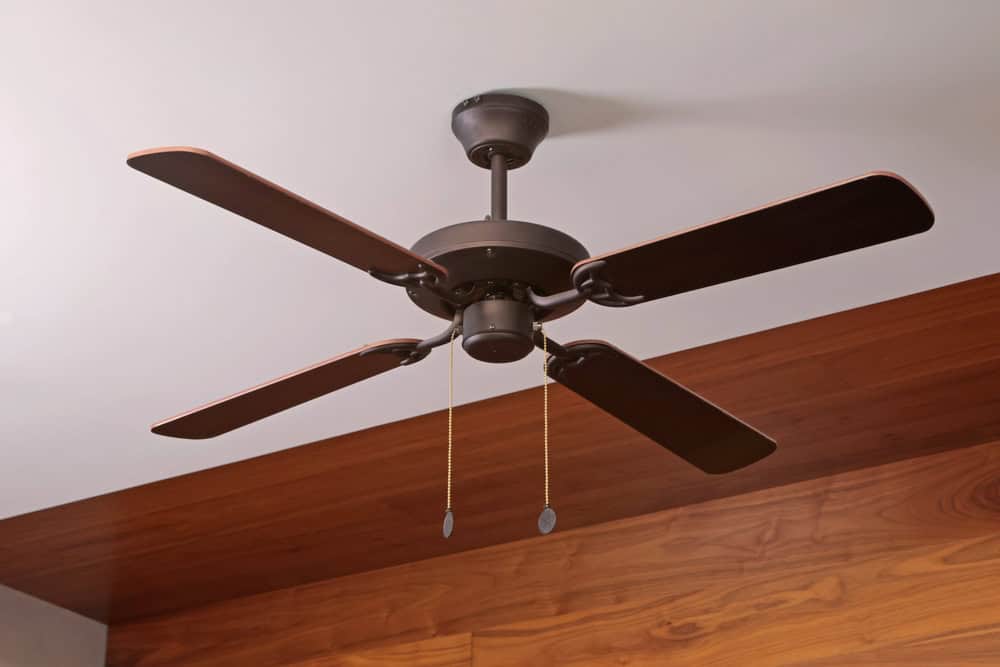
As the Sydney summer settles in, the familiar hum of the ceiling fan becomes the soundtrack to our daily lives. From the coastal breeze of the eastern suburbs to the drier heat of the western regions, we all look for ways to keep our homes comfortable without the dread of a skyrocketing electricity bill. While air conditioning certainly has its place, many Australian households have shifted toward a more sustainable, budget-conscious approach to climate control.
The technology behind how we move air has undergone a quiet revolution. It is no longer just about the number of blades or the style of the finish; it is about the physics of the motor. For homeowners looking to balance comfort with the rising cost of living, understanding the impact of motor technology on energy consumption is the first step toward a smarter, cooler home.
The Shift Toward High-Efficiency Cooling
In the past, a ceiling fan was seen as a simple mechanical fixture. However, the focus has shifted toward high-efficiency appliances that work in tandem with our homes’ architecture. The primary driver of this change is the Direct Current (DC) motor. While traditional Alternating Current (AC) fans have served us well for decades, the engineering of a DC motor is fundamentally different.
A DC motor uses permanent magnets to create motion, which requires significantly less energy than the copper windings found in older models. When we look at data from Energy Rating Australia, the evidence is clear: modern, high-efficiency motors are among the most effective ways to reduce household power draw. For a Sydney family running multiple fans throughout the house for sixteen hours a day, the difference in consumption isn’t just a technicality—it’s a measurable saving.
Breaking Down the Hourly Running Costs
When evaluating the cost of summer cooling, it is helpful to look at the numbers. A standard AC ceiling fan typically draws between 60 and 80 watts on its highest speed. In contrast, a modern DC fan often draws as little as 25-30 watts to produce the same, if not greater, airflow.
On the lowest settings—perfect for overnight use in a bedroom—a DC fan might draw only 3 or 5 watts. To put that in perspective, you could run a DC ceiling fan on low for an entire day for less than the cost of boiling a kettle once. This efficiency allows families to maintain a consistent airflow throughout the night without the “bill shock” that often accompanies heavy air conditioner use.
By using ceiling fans to supplement air conditioning, you can also set your AC unit a few degrees higher. This “wind chill” effect makes a room feel several degrees cooler than the actual temperature, allowing the most expensive appliance in your home to work less while you stay just as comfortable.
The Quiet Comfort of the Sydney Night
Energy isn’t the only thing we want to save during a heatwave; we also want to save our sleep. One of the most common complaints about older cooling technology is the mechanical noise. AC motors, because of how they draw power, can occasionally produce a faint electrical hum or a rhythmic vibration that becomes more noticeable in the silence of the night.
DC motors are inherently quieter. Because they operate with less friction and a more controlled flow of electricity, the “thrum” associated with older fans is virtually eliminated. This makes them the ideal choice for nurseries, home offices, and bedrooms. Furthermore, the precision of these motors allows for a much wider range of speed settings rather than the traditional “High, Medium, Low.” Many modern fans offer six distinct speeds, allowing you to find a “gentle whisper” setting that keeps the air from becoming stagnant without the noise or intensity of a powerful gust.
Engineering for the Australian Climate
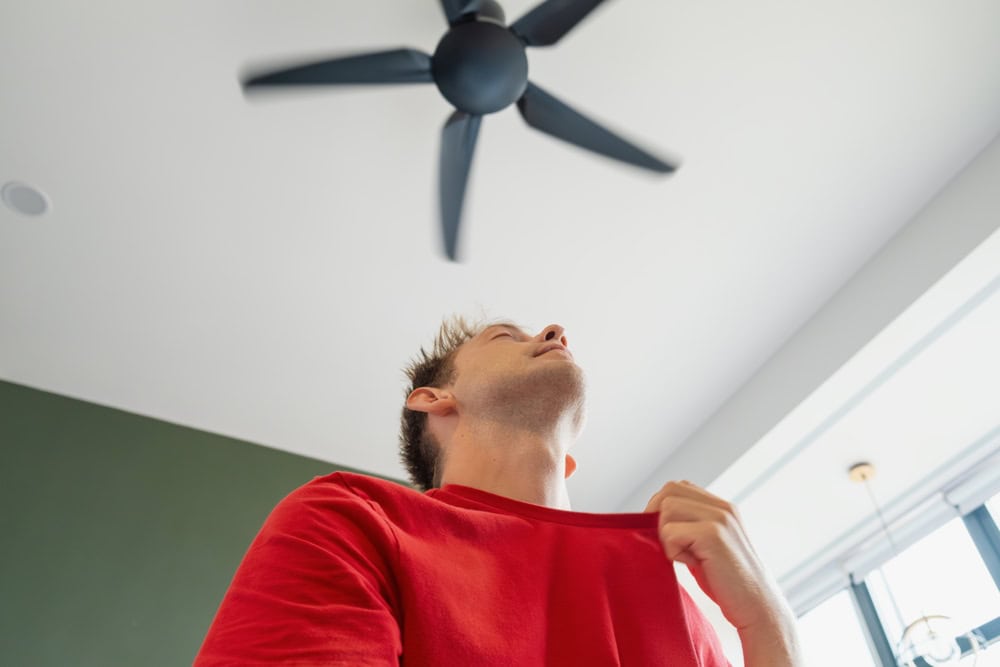
The Australian climate is notoriously demanding on mechanical fixtures. From the high humidity of a Sydney summer to the salt air in coastal corridors, the materials we choose for our fans are just as important as the motors inside them.
Research from the CSIRO has highlighted the importance of material science in preventing the degradation of household infrastructure. This is why we have seen a move away from traditional timber blades toward high-grade ABS plastic. While timber can look beautiful, it is a porous material that can absorb moisture, leading to warping and an “out of balance” fan that wobbles and creates noise. ABS plastic, particularly when used in “Coastal Rated” fans, provides a durable, aerodynamic alternative that maintains its shape and performance even in the most humid conditions.
Smart Controls and Seasonal Versatility
One of the biggest shifts in home cooling over the last few years has been the move toward advanced control systems. While the hard-wired wall switch remains a reliable staple for many, the rise of remote-controlled DC fans has introduced new levels of convenience.
Modern remotes offer more than just speed control. Features such as “Natural Breeze” modes simulate the fluctuating patterns of the wind, which many find more refreshing than a constant, unyielding stream of air. Perhaps more importantly, these systems allow for easy seasonal transitions.
All quality ceiling fans feature a “Winter Mode,” but on older AC models, this often requires climbing a ladder to flick a manual switch on the motor housing. With a remote-controlled system, reversing the motor is as simple as a single click. By drawing cool air up and pushing trapped warm air back down from the ceiling, a fan becomes an essential tool for home comfort during the cooler months as well, helping to distribute heat more evenly and further reducing energy costs.
Designing for Modern Architecture
As Sydney homes evolve toward more open-plan living and varied ceiling heights, the physical design of the fan has had to adapt. Because DC motors are smaller and lighter than their AC predecessors, designers can create much sleeker, low-profile fixtures.
For homes with lower ceilings, “hugger” or “flush-mount” fans provide a safe and stylish solution that doesn’t dominate the room’s visual space. Conversely, for those with sprawling cathedral ceilings, the lighter weight of a DC fan makes installation on long down-rods more stable, reducing the likelihood of the fan swaying at high speeds.
Making an Informed Decision for Your Home
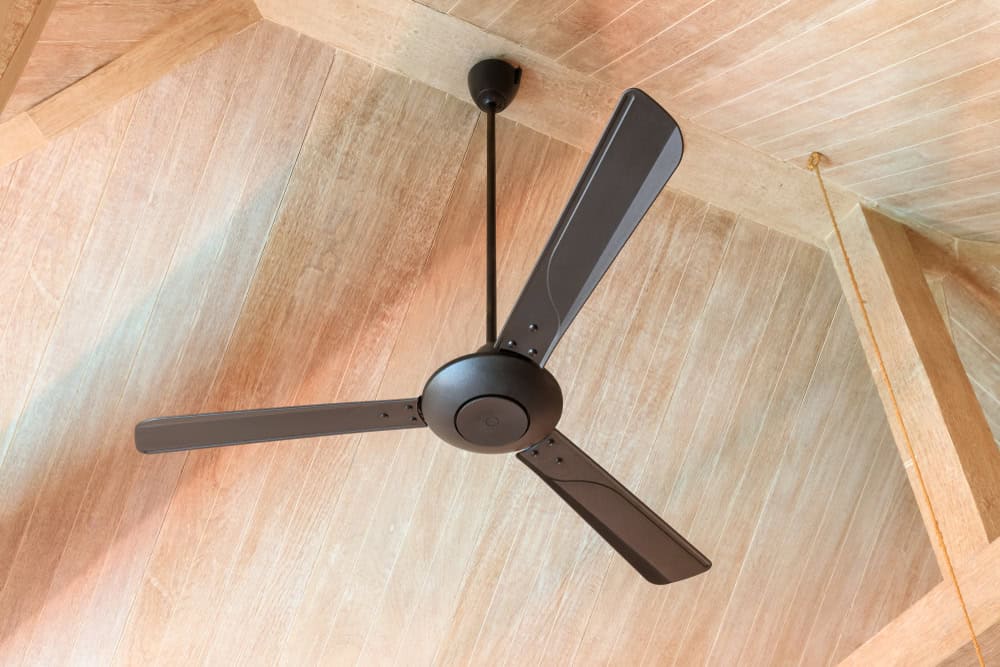
Choosing the right fan for your home ultimately comes down to balancing upfront cost, long-term savings, and the specific needs of each room.
For high-traffic areas where a simple wall switch is preferred and the fan is used less frequently, an AC motor remains a rugged, dependable choice. They are the workhorses of the Australian home, providing reliable airflow with a lower initial investment.
However, for bedrooms, living areas, and any space where the fan will be running for extended periods, the DC motor is the clear winner. The combination of whisper-quiet operation, superior energy efficiency, and advanced control makes it a long-term investment that pays for itself in both comfort and cost savings.
Ultimately, a well-chosen ceiling fan is more than just a fixture; it is a key component of a healthy, comfortable, and energy-efficient home. By understanding the technology behind the breeze, you can ensure that your home remains a sanctuary, no matter how high the temperature climbs this summer.
Upgrade Your Home Comfort with Home Fires
If you are looking to lower your energy bills while staying cool this season, the best way to choose a fan is to experience the airflow in person. At Home Fires, we stock an extensive range of leading Australian brands designed to suit every home and budget.
Explore our latest range of DC Ceiling Fans for ultimate efficiency, or browse our dependable AC Ceiling Fans for a classic cooling solution.
Not sure which fan is right for your ceiling height or room size? Our specialist team is ready to help with expert advice tailored to your home. Contact us today or visit our showrooms in Minto or Casula to feel the difference for yourself.