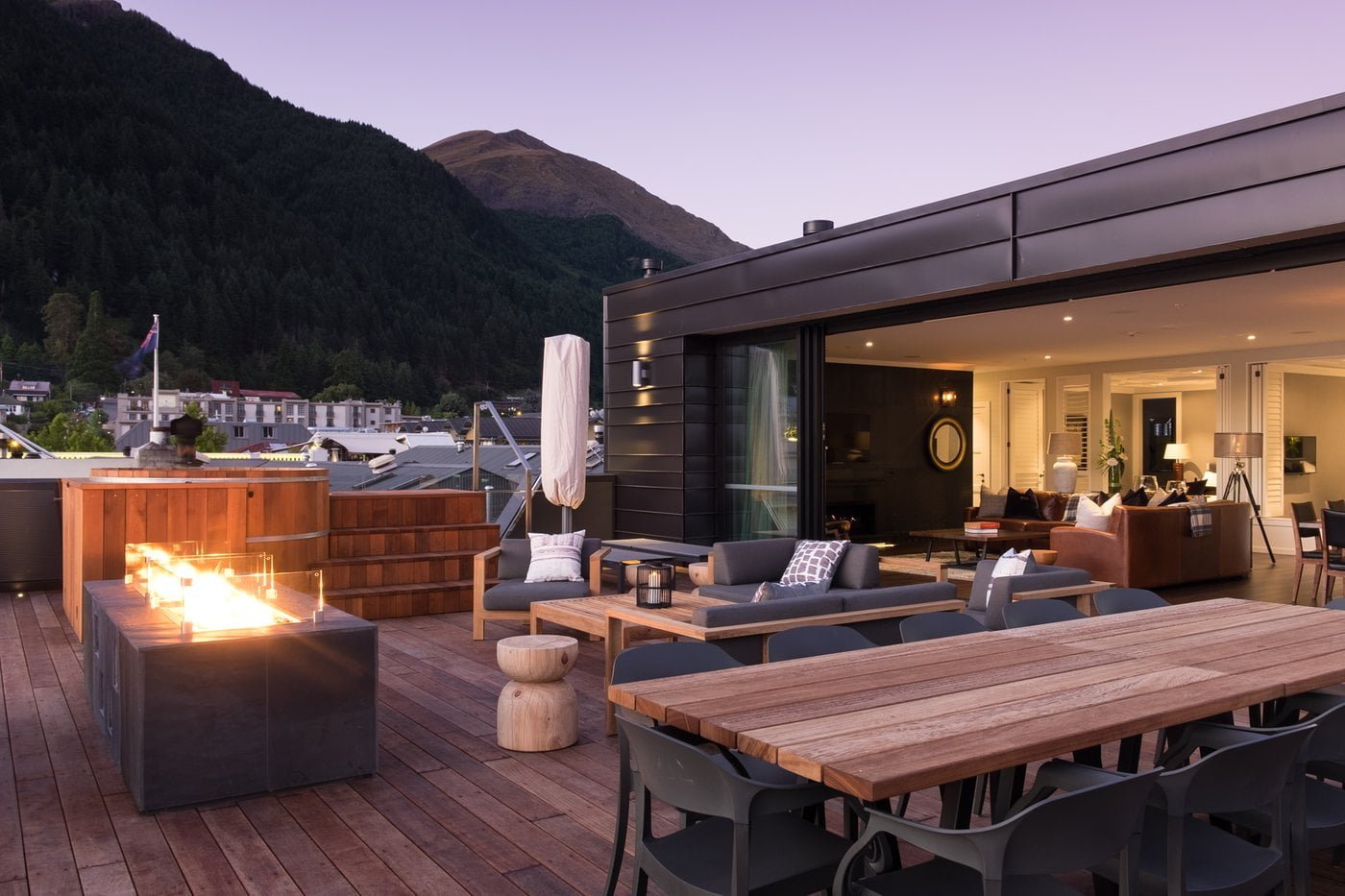
When you evaluate fire pits and permanent outdoor fireplaces in Sydney, it comes down to balancing spatial flexibility against long-term heating performance. Portable fire pits deliver open-flame warmth for casual gatherings at a range of upfront price points. In contrast, permanent fireplaces can offer directional heat, some wind protection and integration into suitable alfresco areas.
Choosing between portable fire pits and built-in outdoor fireplaces in Sydney requires balancing mobility, budget and spatial clearance. Portable fire pits provide radiant heat across outdoor seating areas, whereas permanent outdoor fireplaces may feature dedicated flues, structural wind protection and integration into covered entertainment zones, depending on the appliance and installation. Explore our range of outdoor fireplaces in Sydney to find an option suited to your space.
With over 40 years of experience in fireplaces and heating, we help Sydney homeowners compare outdoor heating options for their backyard layout.
Open fire bowls vs built-in stone hearths
To help you compare your options quickly, consider these key structural differences:
- Portable fire pits can be moved between suitable outdoor spaces as your entertaining needs change.
- Built-in outdoor fireplaces can incorporate flues designed to direct combustion products away from the immediate seating area, depending on the appliance and installation.
- Gas-powered fire pits can offer convenient ignition without wood storage or wood ash.
- Solid-masonry fireplaces can provide a structural barrier against wind, depending on their design and placement.
- Fuel selection affects compliance with NSW fire restrictions and applicable operating conditions.
Deep radiant warmth for crisp spring nights
Fire pits emit radiant warmth around the seating area. This distribution can make open fire bowls suitable for casual gatherings where guests sit around the flame. Heat distribution varies with seating distance, wind conditions, and fire size, so some guests may feel more warmth than others.
In contrast, permanent outdoor fireplaces can use lined fireboxes and back walls to direct heat towards the seating area, while the surrounding structure may also provide some wind protection depending on its design. Actual heating performance depends on the appliance, fuel and surrounding conditions.
Your chosen fuel type affects heat output, convenience and maintenance. Gas appliances offer adjustable flames and convenient ignition, while seasoned hardwood provides a traditional wood-fire experience. Actual heat output varies with the appliance, fuel quality and operating conditions.
Flame flickers without the hassle of heavy smoke
If you are weighing up your fuel options, keep these practical choices in mind:
- Gas units offer convenient ignition and adjustable flames, without the wood ash associated with wood-burning fires.
- Seasoned timber delivers traditional wood-smoke ambience and the sound of crackling logs, though smoke output depends on fuel quality and operating conditions.
- Bioethanol fireplaces may suit some outdoor settings, provided the appliance is designed for that location and meets all manufacturer safety requirements.
Home Fires also stocks ethanol fire pits, with contemporary designs to suit a range of outdoor entertaining spaces. For a low-maintenance setup, browse our premium collection of outdoor gas fireplaces for convenient, adjustable heat.
Laying solid bases for safe garden fires
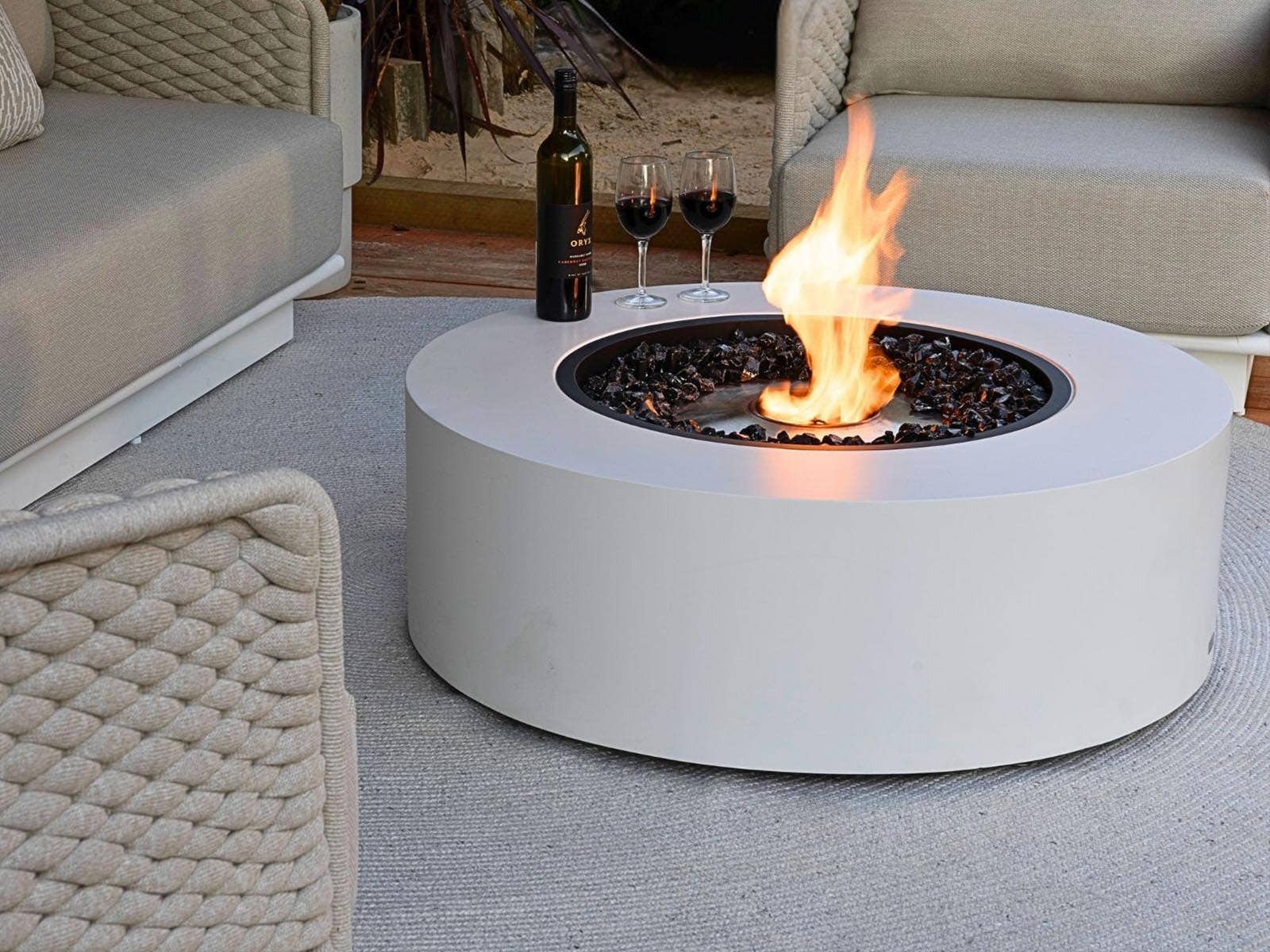
Portable fire pits need a stable, suitable surface and adequate clearance from combustible materials. Placing a fire pit directly on timber decking can scorch or damage it, even when the fire is contained. Follow the manufacturer’s requirements for the supporting surface, clearances and heat protection. Confirm that the chosen location is suitable for the appliance before installation or use.
Permanent outdoor fireplaces may require suitable footings, structural support and a compliant flue or ventilation arrangement, depending on the appliance and installation. Masonry structures can impose substantial loads, so design the base and supporting structure for the specific installation. For covered patios, check the manufacturer’s clearances and roof-penetration requirements before construction begins.
Planning gas supply lines early can help reduce later excavation and rework. To avoid unnecessary retrofits, discuss gas pipe sizing and connection requirements with an appropriately licensed gasfitter during site preparation, before pouring concrete pads or laying pavers.
Budget fire pits vs custom alfresco hearths
When planning your backyard renovation, evaluate initial costs alongside ongoing maintenance and installation requirements.
| Criteria | Portable fire pit | Built-in outdoor fireplace |
| Initial appliance cost | Varies by model, material and fuel type | Varies by model, materials and design |
| Structural setup | Requires a suitable surface and appropriate clearances | May require footings, structural support and a suitable flue or ventilation arrangement |
| Heat distribution | Radiant heat around the fire, depending on design | Can direct heat towards a particular seating area |
| Maintenance | Depends on fuel, frequency of use and exposure to weather | Depends on fuel, appliance design and servicing requirements |
| Outdoor design | Flexible placement in suitable locations | Permanent feature integrated into the outdoor layout |
Portable fire pits can provide seasonal comfort without the structural work associated with a permanent installation. A permanent outdoor fireplace can serve as an architectural focal point and help define an outdoor entertaining area.
NSW EPA rules and RFS clearances
The NSW Environment Protection Authority confirms that residents do not need council approval for a backyard fire pit or barbecue. Permitted fuels include dry, seasoned wood, LPG, natural gas and proprietary barbecue fuel. Local restrictions, EPA no-burn notices and NSW Rural Fire Service Total Fire Bans can still affect whether a fire may be lit, so check the current requirements before use.
Before lighting a recreational fire, check the current NSW Rural Fire Service guidance and any applicable local restrictions. For a recreational fire on your property, the RFS guidance specifies a cleared area of at least 2 metres around the fire. Follow the appliance manufacturer’s instructions for additional clearances and keep combustible materials away from the flame.
During a Total Fire Ban, do not light an open fire. Check the current NSW Rural Fire Service restrictions and any applicable exemptions before using an outdoor heating appliance, as the rules differ between open fires and certain gas or electric appliances.
Managing smoke emissions responsibly also helps prevent nuisance to neighbouring properties. Wet or green wood can produce excessive smoke, and local councils can take action where a recreational fire creates a smoke nuisance.
Warming every style of Sydney yard

Choosing outdoor heating for compact urban spaces
Compact courtyards may suit smaller outdoor heating appliances, provided the product is designed for the setting and meets the relevant clearance, ventilation and property requirements. For balconies and covered patios, confirm suitability with the manufacturer and check any applicable strata or building rules before choosing an appliance.
For suitable outdoor settings, explore fire pits in Sydney to compare available styles and fuel options.
Anchoring large entertaining decks for groups
A permanent outdoor fireplace can create a focal point in a larger entertaining area, with its placement and construction tailored to the space. Traditional outdoor wood fireplaces offer a classic wood-fire experience in suitable outdoor settings, depending on installation requirements and available space.
Lighting up your backyard this spring
Choosing between open fire bowls and permanent hearths depends on how you plan to use your outdoor space, your budget, and your overall property layout. Explore our range of fire pits in Sydney online or visit one of our showrooms to compare available options.
Visit our Home Fires showrooms in Minto or Casula to explore the available outdoor heating options. Alternatively, contact the Home Fires team to discuss your plans and suitable products.
Frequently asked questions
Do I need council approval to install a fire pit in Sydney?
NSW residents generally do not need council approval for a backyard fire pit or barbecue. You must use permitted fuels, avoid excessive smoke, and comply with applicable fire restrictions. Check the NSW Environment Protection Authority guidance and any current local requirements before lighting a fire.
Can you install an outdoor fireplace under a pergola roof?
Some outdoor fireplaces can be installed beneath covered pergolas, but suitability depends on the appliance design, manufacturer requirements and the structure itself. Check the specified clearances, flue configuration, roof penetration, and heat protection requirements before installation, and use appropriately licensed trades where required.
Are gas fire pits warmer than wood-burning fire pits?
Heat output varies between appliances, so gas fire pits can be warmer or cooler than wood-burning models depending on the situation. Gas appliances offer convenient ignition and adjustable flames, while wood-burning fire pits provide a traditional wood-fire experience. Compare the manufacturer’s heat output specifications when choosing between models.
What safety clearance is required around a backyard fire pit?
For a recreational fire on your property, NSW Rural Fire Service guidance specifies a cleared area of at least 2 metres around the fire. Appliance-specific clearances may also apply. Keep combustible materials away from the flame, follow the manufacturer’s instructions and check current fire restrictions before use.
What fuel burns cleanest in an outdoor fire pit?
Gas appliances do not produce wood smoke or wood ash during normal operation, although their combustion emissions depend on the fuel and appliance. For wood-burning fire pits, dry, seasoned hardwood can help reduce smoke compared with wet or green wood. Emissions depend on the fuel, appliance and operating conditions, and NSW rules specify which fuels may be used in backyard fire pits and barbecues.