A good portable heater is the main thing standing between a cold Sydney winter and a cozy season at home. Our city is famous for its hot summers, but we know that once the sun sets behind the mountains, an average Australian house gets very chilly. To pick the right one, you need to think about your floor plan, your power bill, and how your building is made, as just grabbing the first cheap box you see is usually a mistake.
To find the best heater, first ask yourself why you need it. Do you just want to warm up a small home office in the morning, or do you need to heat a big living room with high ceilings? By looking at the size of your room and what power you have, such as a normal wall plug or a gas connection, you can make sure you stay warm without spending way too much money on your power bills.
Checking Your Space
The first step to getting warm is looking at your room. Sydney has all kinds of homes, from old, drafty terrace houses to brand-new, airtight apartments in the city. Heat works very differently in these different types of buildings.
It is important to notice how the local weather patterns in New South Wales affect the way we use our indoor spaces. Since our winters are relatively short but quite sharp, many houses are built to let heat out during the summer rather than keeping it in during the winter.
This means you have to be very careful about where you place your heater to make sure the warmth stays where you are sitting. You should look for spots away from large glass windows and heavy doors to ensure the heat does not simply disappear into the night air. Taking a moment to plan your room layout can save you a lot of trouble when the temperature starts to drop below ten degrees.
Measuring Room Size
Most people buy heaters based on the floor size, but you have to think about the whole space. To find the right size heater, you should figure out the total air volume. You do this by multiplying the room’s length and width by the height of the ceiling. If your home has very high ceilings or a loft, a tiny heater will struggle because the warm air floats way up high, leaving you freezing down on the floor.
Draughts and Insulation
In many old Sydney suburbs, pretty houses often leak heat. Gaps under doors, old windows, and no floor insulation let the warmth escape. If your home is drafty, a heater that just warms the air might not work well because the warm air leaks out the cracks. In these cases, a radiant heater is a smarter pick because it heats objects and people directly instead of just the air. For bigger, permanent spots with a chimney, small wood heaters give off a deep heat that beats any draft, though you can’t move them around as easily as a plug-in.
Gas Vs Electric: Choosing The Right Power Source for You
Choosing between gas and electric usually depends on what your Sydney home or office already has. Both are good, and the “best” one depends on your plugs and your lifestyle.
The Benefits of Natural Gas
If your home has a gas connection point, a portable gas heater is the strongest option you can get. These units are the heavy hitters. They get warm almost instantly and can heat up big, open rooms that a regular electric heater couldn’t handle. Gas heat also feels less “dry” than electric heat, which many people find is much better for their skin and eyes during the dry winter months.
The Versatility of Electric
For many people renting or working in modern offices, an electric heater is the only choice. The best thing about electric heat is how simple it is. You don’t need special pipes or vents; you just find a plug and turn it on.
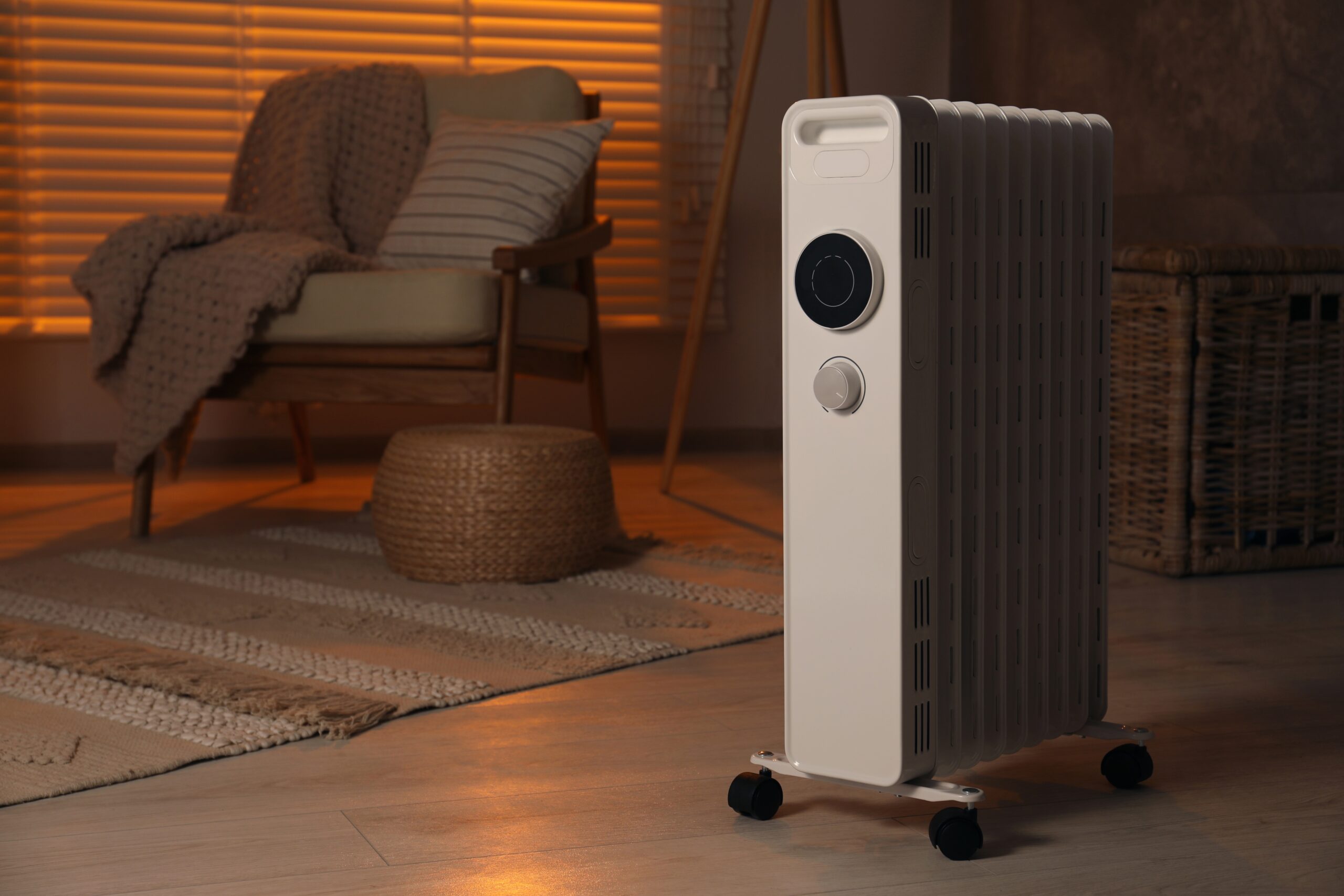
Modern electric tech is much better than the old glowing wires of the past. Today, you can get smart panels and oil heaters that are safe and last a long time. You can find many electric heating options that work for both old houses and fancy new office buildings.
One major plus for electric units is that they are very light and easy to carry from room to room. If you live in a smaller apartment or a shared house, you can take the warmth with you as you move from the lounge to the bedroom. This flexibility is great for people who do not want to buy a separate heater for every single part of their home.
Many of the newer models also come with sturdy wheels and handles that stay cool to the touch. This makes them very safe to move around even while they are still working to keep your space warm and comfortable.
As prices go up, the cost of living is a big topic in Sydney, so how much your heater costs to run is very important. No one wants a huge bill just because they want to stay warm while working from home.
Comparing Fuel Prices in NSW
Usually, natural gas has been cheaper to use than electricity in New South Wales. However, how the heater is made matters a lot. A high-quality electric heater with a digital brain can be quite cheap because it only turns on when the room actually gets cold.
Smart Ways to Save
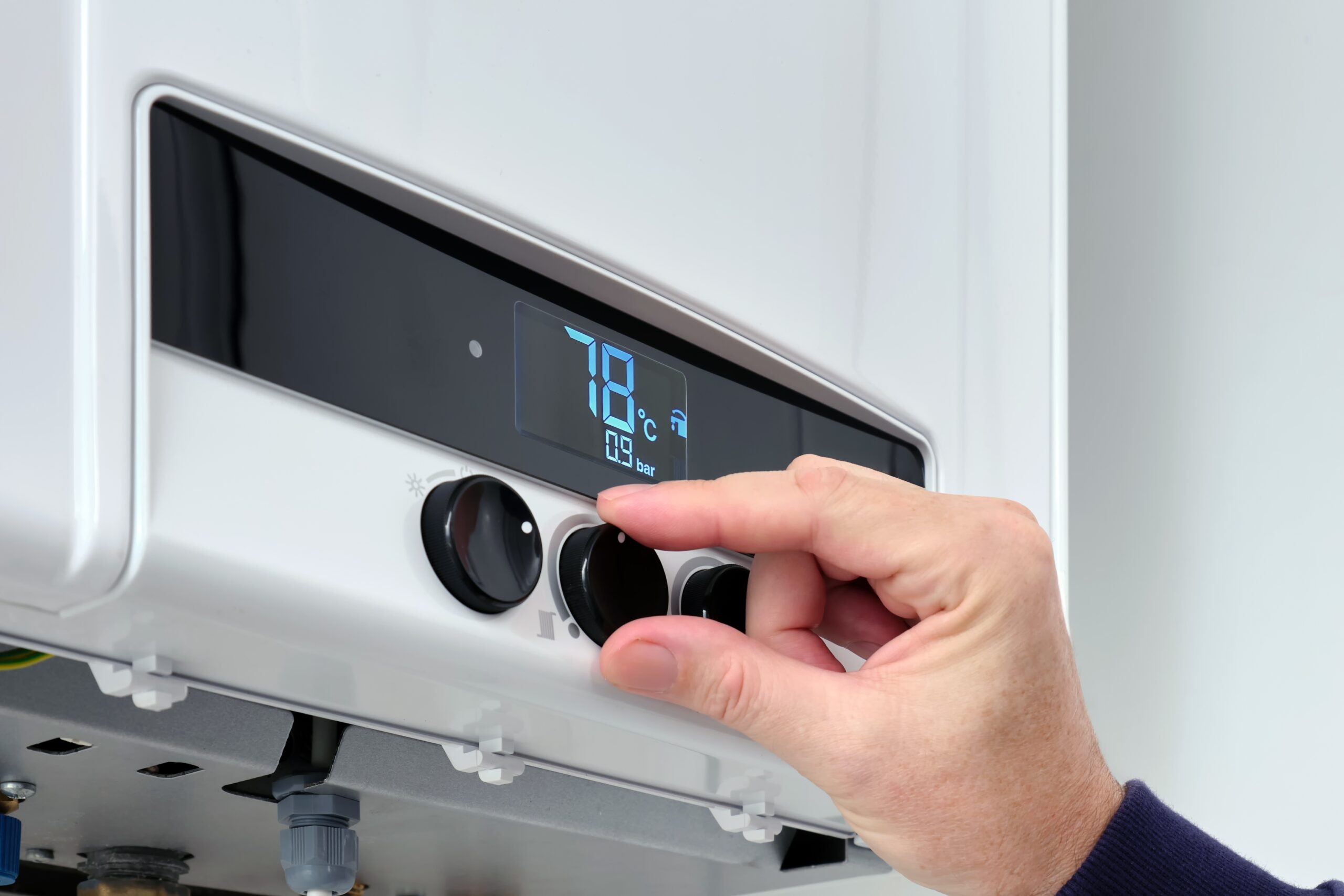
Look for heaters with “Eco” modes or timers. These let you warm up your bedroom for an hour before you get up or make sure the office is warm by 8:00 AM without leaving it on all night. Experts say keeping a steady temperature of 18°C to 21°C is much cheaper than blasting a heater on high for a short time.
Quiet and Safe: Must-Haves for Home and Work
When a heater is on all day, little noises can get annoying. In a quiet study or a meeting room, the buzz of a cheap fan can be very distracting.
The Need for Silence
If noise bothers you, a radiant or oil-column heater is the best choice. These units are almost silent because they don’t use fast fans to blow air around. This makes them perfect for bedrooms and offices where you need to focus.
Safety Features to Check
Safety is something you should never ignore. Every good heater sold in Australia has to follow strict rules, but these features give you extra safety:
Tip-over Switches: Turns the power off if a pet or a chair knocks the heater over.
Overheat Protection: Sensors that turn the heater off if it gets covered by a blanket.
Oxygen Sensors (ODS): Very important for gas heaters; these turn the unit off if the air becomes unsafe to breathe.
Portable Heating That Compliments Your Interior Design
Heaters don’t look like ugly boxes anymore. Modern design has turned the simple heater into something that actually looks nice in your home.
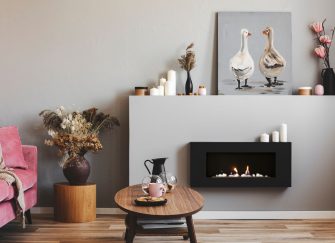
Whether you like a clean, white look or a rough, dark style, there is a heater to match your furniture. Some new gas heaters even look like real wood fires. If you have the space, a classic wood heater can look great in a renovated room. You should choose a unit that looks like a natural extension of your furniture instead of a piece of cheap plastic.
Find The Perfect Portable Heater For Your Home or Office at Home Fires
Getting ready for a Sydney winter requires a plan that fits your life. By picking a unit that fits your room size, your power type, and your style, you can stay warm even on the coldest July nights.
At Home Fires, we know every Sydney home is different. We also know you might want to stay warm outside. If you love the outdoors, you might find that portable BBQs are a great match for your indoor heater, letting you hang out on the deck without feeling the cold.
It depends on your room size and ceiling height. Larger or high-ceiling spaces need more powerful heaters, while small rooms can be warmed with compact units.
2. Is a gas or electric portable heater better?
Gas heaters are better for large areas and faster heating, while electric heaters are more convenient and suitable for smaller rooms or apartments.
3. Are portable heaters expensive to run in Sydney?
Running costs depend on usage and energy prices. Gas is often cheaper for long use, while efficient electric heaters with timers or eco modes can help reduce costs.
4. Which portable heater is best for a home office?
Quiet heaters like oil-filled or radiant electric models are ideal for home offices as they don’t produce much noise.
5. What safety features should I look for in a portable heater?
Look for tip-over protection, overheat shut-off, and (for gas heaters) oxygen depletion sensors to ensure safe operation.
6. Can I move a portable heater between rooms easily?
Yes, most portable heaters are designed to be lightweight or come with wheels, making them easy to move around your home.
You Might Like
Top 5 Freestanding Wood Heaters for Sydney Homes in 2026
As the weather starts to cool and winter approaches, you may be looking for the best way to heat your
At Home Fires – The Fan Man, our commitment to you goes beyond just offering great products – it’s about providing exceptional service, ensuring your satisfaction at every step.
Price Match Guarantee
We believe you deserve the best value, which is why we proudly offer a Price Match Guarantee. If you find a better price on an identical item elsewhere, we’ll match it, ensuring you get the best deal available.
How to Request a Price Match?
Simply take note of the lower advertised price and the retailer where you found it. Then, reach out to our friendly team, and we’ll confirm the price match for you.
If You’re Not Completely Satisfied, Neither Are We!
Your satisfaction is our top priority. If for any reason you are not completely satisfied with your purchase or experience, please reach out to us.
Contact us and we will do everything we can to make it right.
At Home Fires – The Fan Man, our commitment to you goes beyond just offering great products – it’s about providing exceptional service, ensuring your satisfaction at every step.
Price Match Guarantee
We believe you deserve the best value, which is why we proudly offer a Price Match Guarantee. If you find a better price on an identical item elsewhere, we’ll match it, ensuring you get the best deal available.